Grains, water and yeast. The three cornerstones of life, and the main ingredients used when making bread.
Yeast is a more modern addition to this tried and tested formula. Of course by modern, I mean the ancient Egyptians of around 400 B.C. The breads made before this time (as far back as 8000 B.C.) did not have any leavening agents added and so took the form of the recognisable Indian naan or Central American tortilla.
The way that grains have been treated throughout time has changed quite a lot. The grinding of grains produces the refined flour with which bread is baked. Early flour was course and what we would describe today as ‘grainy’. This produces a darker, more rustic loaf.
Ironically today, these loaves are more desirable and more expensive to obtain thanks to factory processing and mass production of sliced white bread.
White bread was held in a much higher regard in terms of social standing in many cultures of the past. In Medieval Europe, lords and kings would boast of how white their loaves were. This is due to the extra processing and time it took to create a fine white flour.
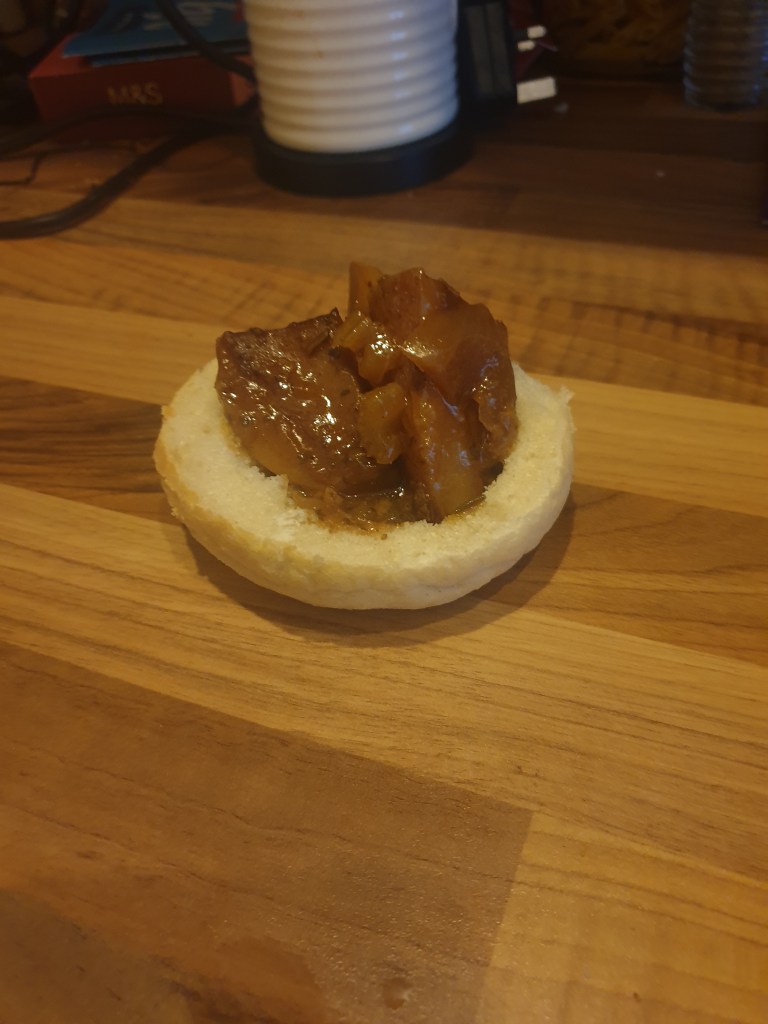
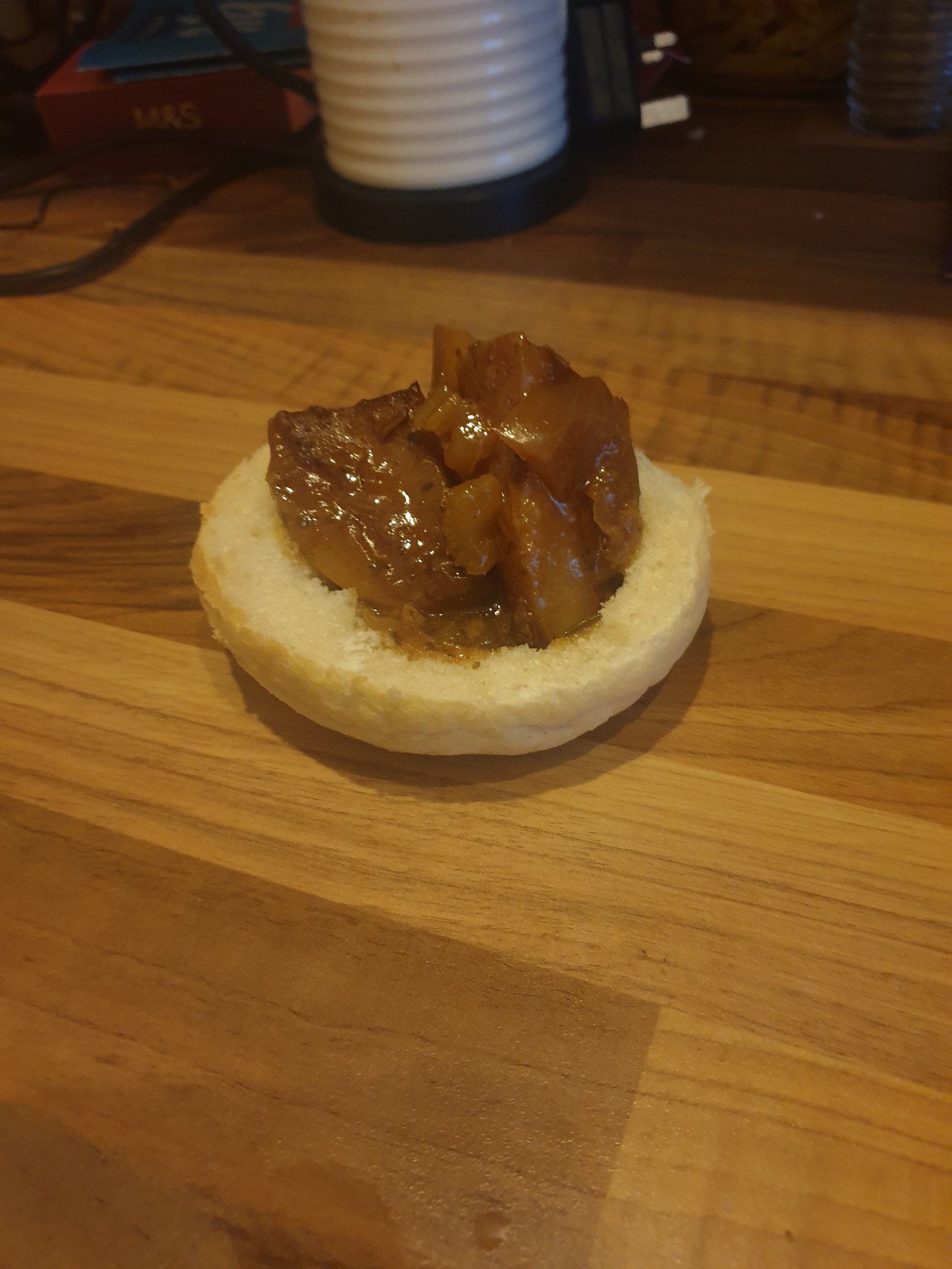
You may remember our beef pottage recipe earlier in the week and likely thought: wait? no bread? Well honestly, I just didn’t have any bread in the house. But the next day I found some lovely fresh baked little white bread rolls that served as great trenchers for the leftover pottage.
“Trenchers?” I hear you ask, are what was used by peasants and some of the middle/upper class as plates! The food would be placed upon a flat round of bread and then eaten at the end of the meal once it had absorbed the sauce from the meal.
In the case of pottage, a round loaf could be hollowed at and turned into a bowl, and the top of the bread could be used to scoop up the pottage. And of course don’t throw anything away! The soft bread from inside the round loaf could be kept and ground into breadcrumbs. Even the nobles weren’t wasteful with their used bread, as any leftovers were given to the poor.
 The Plump Peasant